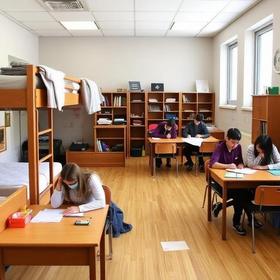

Since the educational reform movements of the 1970s, significant efforts have been made to promote girls’ improvement within the education system. More recent educational research through 2026 has focused on ensuring that teaching strategies support the success of all students while recognizing that boys and girls may learn differently. Extensive research continues to identify characteristics of positive learning environments for boys and methods for introducing those findings into schools across America.
Active Classroom Environment
The environment a teacher establishes in the classroom is a significant contributor to how effectively students learn. Traditional classroom environments, in which all children are expected to sit quietly while following along with the teacher, presume that all children learn similarly. Those with trouble with the format may fall behind despite their learning capacity. Additionally, this isn’t necessarily a structured environment nor an engaging one that will foster a passion for learning.
This video offers some reasons why your son should attend an all-boys school.
To engage all students, teachers should instead employ an active learning environment. This type of setting stimulates self-motivated learning within a flexible yet disciplined atmosphere. By teaching students learning strategies (a written record of assignments, note-taking strategies, time management techniques, and study methods), educators teach students how to learn, or "the process of learning," and students become empowered to pursue knowledge more eagerly and successfully. An active classroom also demands that the students are presented with