












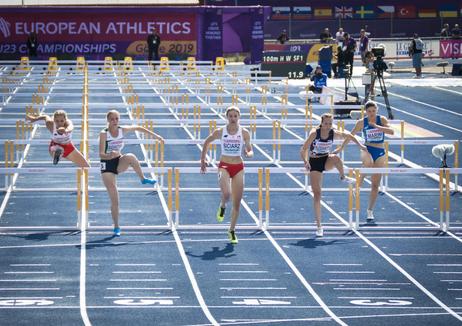
Boarding school athletic recruitment trends are changing quickly in 2026 as families evaluate not only athletic opportunity, but also academic fit, visibility, wellness, eligibility, and long-term college planning. For student-athletes, the boarding school environment can offer structured training, experienced coaching, competitive schedules, and close college counseling support. For parents, it can also raise important questions about specialization, recruiting promises, and the balance between sport and school.
Athletics have always been part of the boarding school experience, but the recruiting landscape now requires more strategy. College rosters are affected by transfer activity, name, image, and likeness rules, changing scholarship models, and earlier athlete evaluation. Families considering boarding school should understand how these shifts affect admissions, daily life, and college prospects.
Why Athletic Recruitment Looks Different in 2026
High school sports participation remains strong nationally. The National Federation of State High School Associations reported record participation in 2024-25, with more than 8.2 million students involved in high school athletics. That growth means more competition for attention, but it also reflects the continued value families place on sports as part of student development.
At the same time, college recruiting has become less linear. The NCAA continues to regulate contact periods, evaluation periods, and recruiting calendars by sport and division. Families must understand that interest from a coach, a showcase invitation, or a school visit does not guarantee admission, roster placement, or financial aid.
Boarding schools sit at the intersection of these forces. Many offer strong