













Boarding School Review Blog

Learn about important boarding school topics, trends, tips and more.

Quick Facts (2026)

When a Boarding School Scholarship Comes With Conditions: Questions to Ask Before Accepting
The Boarding School Net Price Test: What to Compare After Financial Aid Offers Arrive
Building Your Boarding School Shortlist: A Data-Driven Approach
What Transparency Looks Like in 2026: Policies Every Boarding School Should Share Publicly
How Recent Youth Mental Health Trends Should Influence School Selection
The Parent Reference Test: What Current Families Can Tell You
School Reputation vs School Fit: Which Predicts Student Success Better?
AI in Admissions and Student Evaluation: Questions Parents Should Be Asking
The Return Home Challenge: Helping Students Reconnect During Breaks
What Parents Should Know About Loneliness in Residential Education

Quick Facts (2026)

Updated
|
Independent Study and Research Opportunities at Boarding Schools
Explore independent study and research opportunities at boarding schools, including mentorship, capstone projects, and college preparation benefits.

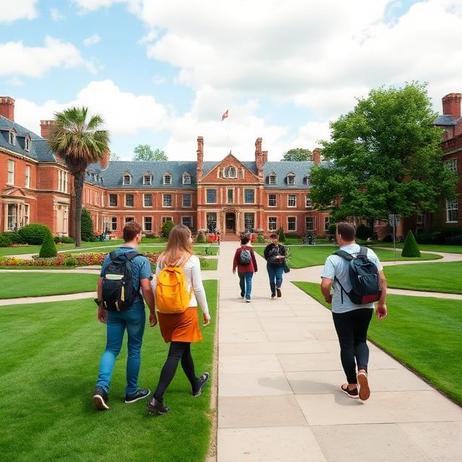
Independent study and research opportunities at boarding schools give motivated students a chance to move beyond standard coursework and pursue serious academic questions with faculty guidance. For students who are curious, self-directed, and ready for deeper learning, these programs can become one of the most valuable parts of the boarding school experience.

Because boarding schools combine academic life, residential life, and close faculty mentorship, they are often well positioned to support long-term research projects. Students may investigate a scientific problem, write a literary analysis, design an engineering prototype, study public policy, or complete a senior capstone project that reflects college-level expectations.

For families comparing schools, these opportunities can reveal a great deal about academic culture. A strong independent study program suggests that a school values curiosity, initiative, and disciplined inquiry.

Why Independent Study Matters at Boarding Schools

Personalized Academic Exploration

Traditional courses provide structure and essential knowledge. Independent study allows students to go further. A student interested in marine biology, constitutional law, artificial intelligence, architecture, or creative writing may not always find a standard course that fully matches that interest.

Through independent study, students can work with a faculty advisor to design a focused academic plan. This usually includes readings, research goals, regular meetings, written work, and a final product.

Families new to residential education may find useful context in Why Consider Boarding School?, which explains how boarding schools support academic and personal growth within a structured community.

Faculty Mentorship

One of the strongest advantages of

. . .read more

Do Boarding School Students Study More? Daily Schedule Breakdown

Updated
|
Do Boarding School Students Study More? Daily Schedule Breakdown
Discover how much boarding school students really study with a realistic daily schedule breakdown and comparison to traditional day schools.

For many families considering boarding school, one question comes up repeatedly: Do boarding school students actually study more than their peers at traditional day schools?

The short answer is often yes, but not necessarily because students spend every waking hour doing homework. The difference lies in how boarding schools structure the day. Academic work is intentionally built into daily routines, creating an environment where studying becomes a regular and expected part of student life.

Unlike many day schools, where students return home to varying levels of supervision and distractions, boarding schools integrate study time, faculty access, extracurricular activities, and residential life into a carefully designed schedule. As a result, students often spend more consistent time focused on academics while also participating in sports, arts, leadership activities, and community life.

Families beginning their research may find it helpful to first read Boarding School Myths, which addresses many of the misconceptions families have about residential education.

Why Boarding School Schedules Are Different

One of the defining characteristics of boarding schools is structure. The school day does not end when classes finish. Students remain in an educational environment where learning, mentoring, and supervised study continue into the evening.

Boarding schools intentionally balance academics, athletics, social development, and personal wellness throughout the day. This structure helps students develop stronger time-management skills, academic accountability, and personal responsibility.

This does not mean students are constantly studying. Rather, boarding schools reduce many of the distractions and logistical challenges that can interfere with academic

. . .read more

Safe Travel Guide for International Boarding Students

Updated
|
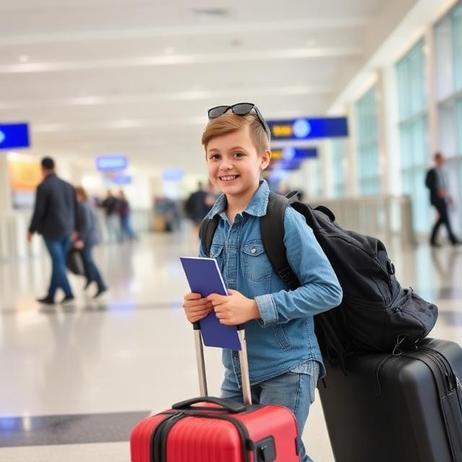
Safe Travel Guide for International Boarding Students
A practical 2026 guide to visas, guardians, airports, and safe travel planning for international boarding school students.

Safe Travel Guide for International Boarding Students (Airports, Guardians, Visas)

For families sending a child abroad for boarding school, travel logistics can feel almost as important as choosing the right school. A well-planned journey helps students arrive safely, confidently, and prepared to begin life in a new country. From visa requirements and airport procedures to guardian arrangements and emergency planning, every detail matters.

This safe travel guide for international boarding students outlines the key steps families should take before departure, during travel, and upon arrival. With international student mobility continuing to grow in 2026, boarding schools are strengthening support systems, but parents still play a critical role in ensuring a smooth transition.

Why Travel Planning Matters for Boarding Students

International boarding students often travel independently or with limited supervision. Unlike a family vacation, a school journey may involve:

  • Long-haul international flights
  • Immigration and customs procedures
  • School-arranged transportation
  • Guardian requirements
  • Visa compliance obligations
  • Emergency communication planning

Careful preparation reduces stress and helps students navigate unfamiliar environments with confidence.

Essential Travel Documents Checklist

Before booking flights, families should verify that all required documentation is complete and valid.

Core Documents

Students should carry:

  • Valid passport
  • Student visa or study permit
  • School acceptance letter
  • Enrollment confirmation documents
  • Travel itinerary
  • Emergency contact information
  • Health insurance documentation
  • Guardian contact information (if applicable)

Experts recommend carrying both physical and digital copies of important documents.

Create a Travel Folder

Many boarding schools advise students to keep documents organized in a dedicated travel folder containing:

. . .read more

How Boarding Schools Teach Life Skills in 2026

Updated
|
How Boarding Schools Teach Life Skills in 2026
Discover how boarding schools build independence, leadership, discipline, and real-world life skills that prepare students for college and beyond.

For many families, academics are the primary reason to consider a boarding school. Strong college preparation, small class sizes, and rigorous coursework often dominate the conversation. Yet one of the most significant benefits of a boarding school education extends far beyond the classroom.

Boarding schools teach life skills every day.

Living away from home requires students to manage responsibilities, navigate relationships, make decisions independently, and contribute to a residential community. These experiences help students develop qualities that colleges and employers increasingly value: self-reliance, leadership, accountability, resilience, and emotional maturity.

In 2026, these skills are arguably more important than ever. As universities and employers place greater emphasis on adaptability, collaboration, and problem-solving, boarding schools continue to provide a unique environment where students practice these competencies daily rather than learning them only in theory.

Why Life Skills Matter More Than Ever

The modern educational landscape has evolved significantly. Academic achievement remains important, but success increasingly depends on skills that cannot be measured solely by grades or standardized test scores.

Students entering college today face new challenges, including greater independence, increased digital distractions, and growing expectations around collaboration and leadership. According to the National Association of Independent Schools, schools are placing increased emphasis on developing the whole student, including character, interpersonal skills, and social-emotional growth.

Boarding schools are particularly well-positioned to support this development because learning continues after classes end. Residential life creates an immersive environment where students consistently practice real-world responsibilities.

As discussed in Boarding School Review's article

. . .read more

Choosing the Right Boarding School Location in 2026

Updated
|
Choosing the Right Boarding School Location in 2026
Learn how to choose the right boarding school location in 2026, including campus setting, travel access, climate, safety, and student fit.

Location is one of the most important, and often underestimated, factors when selecting a boarding school. While academics, extracurricular opportunities, and college placement typically receive the most attention, a school's geographic setting can significantly influence a student's daily experience, social development, travel logistics, and overall success.

In 2026, families are evaluating boarding school locations through a broader lens than ever before. Factors such as airport access, mental health support, climate preferences, internship opportunities, sustainability initiatives, and family travel costs are playing a larger role in the decision-making process.

The right boarding school location is not necessarily the most prestigious or the most convenient. It is the environment where a student is most likely to thrive academically, socially, and personally.

As discussed in Choosing a School: Comparing Boarding Schools in 2026, school fit remains more important than reputation alone. Location is a major part of that fit.

Why Boarding School Location Matters

A boarding school's location affects much more than scenery.

It influences:

  • Travel time and transportation costs
  • Access to cultural and educational resources
  • Weather and outdoor activities
  • Internship and research opportunities
  • Student independence
  • Family visitation frequency
  • Campus culture and lifestyle

Students spend nearly every day of the academic year in their boarding school environment. The surrounding community often becomes an extension of the classroom.

According to the National Association of Independent Schools (NAIS), boarding schools increasingly emphasize experiential learning opportunities connected to their geographic regions, from environmental science programs to partnerships with local businesses and universities.

. . .read more

Recent Articles

When a Boarding School Scholarship Comes With Conditions: Questions to Ask Before Accepting
Learn what boarding school scholarship conditions mean, how renewal requirements work, and the questions every family should ask before accepting an award.
The Boarding School Net Price Test: What to Compare After Financial Aid Offers Arrive
Learn how to compare boarding school financial aid offers, calculate true net cost, and identify hidden expenses before making your enrollment decision.
Building Your Boarding School Shortlist: A Data-Driven Approach
Learn how to compare boarding schools using a data-driven approach that helps families build a smarter, more personalized shortlist.